Microtransit software
Run a public on-demand zone with branded booking, live assignment and pooled trips. Designed for agencies that need software, not another consumer marketplace.
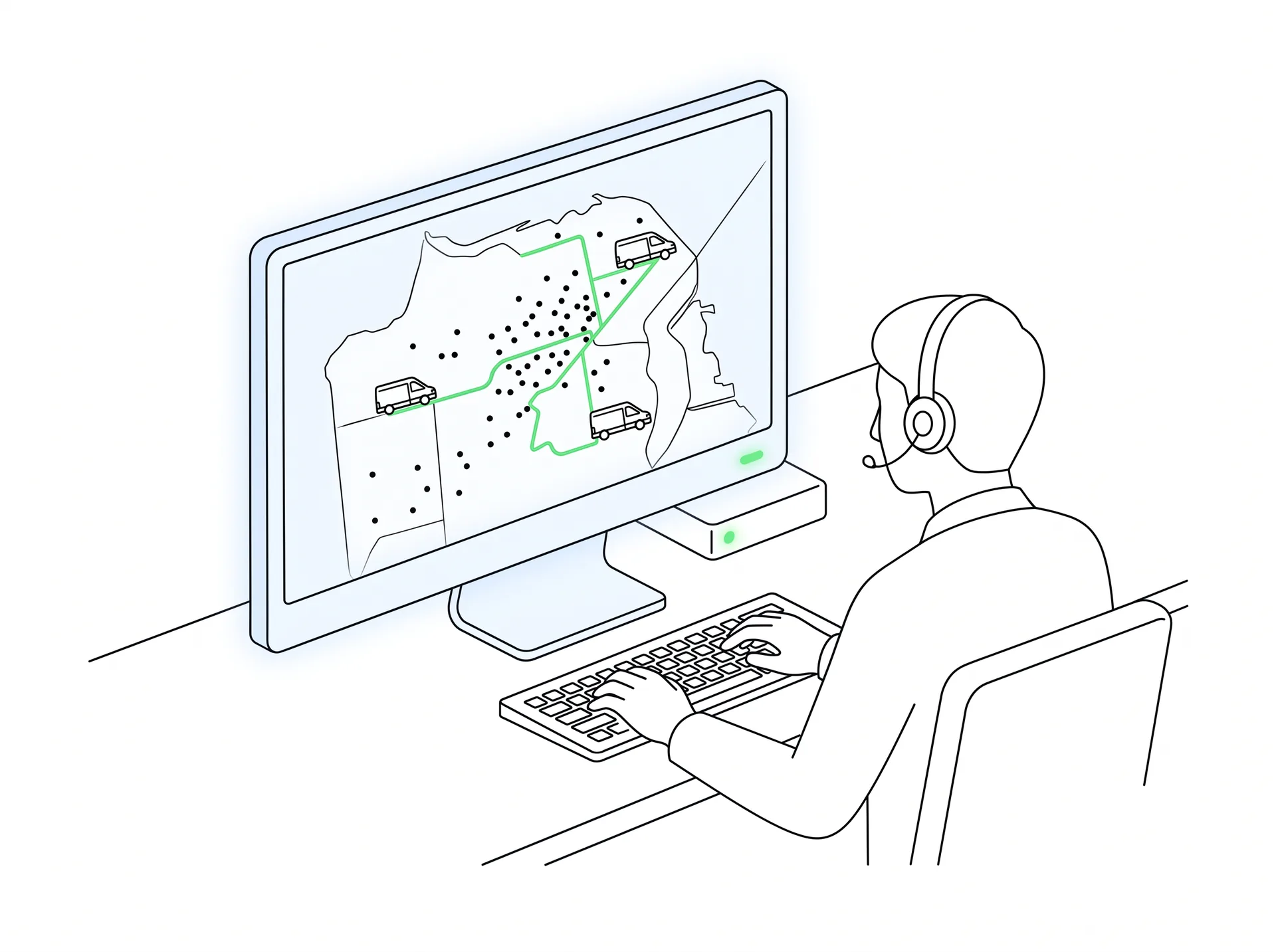



How the platform is used
Microtransit is demand-responsive public transport that uses small vehicles and dynamic routing instead of a rigid timetable. The FTA National Transit Database treats most microtransit as Demand Response, which matters for how agencies report the mode.
maas.maker gives the agency a tenant, a stop or virtual-stop layer, vehicle classes, booking rules and a dispatcher view. Riders book a trip inside a published zone and time window. The platform assigns a vehicle and can combine nearby requests.
The product does not replace an agency's Title VI, ADA or NTD procedures. It records the operational data those procedures need.
Microtransit software
Software pieces that typically sit around a microtransit zone.
Zone booking
Passengers request origin and destination inside a published service area, with wait-time and walking rules the agency sets.

Shared rides
Requests that fit the same vehicle and time window are combined. Dispatchers can lock or split a trip.
Exception handling
No-shows, wheelchair notes, will-call returns and school-bell peaks stay visible instead of disappearing into a chat thread.

NTD-oriented exports
Unlinked passenger trips, vehicle hours and service-area fields can be exported. Agencies remain responsible for NTD classification.
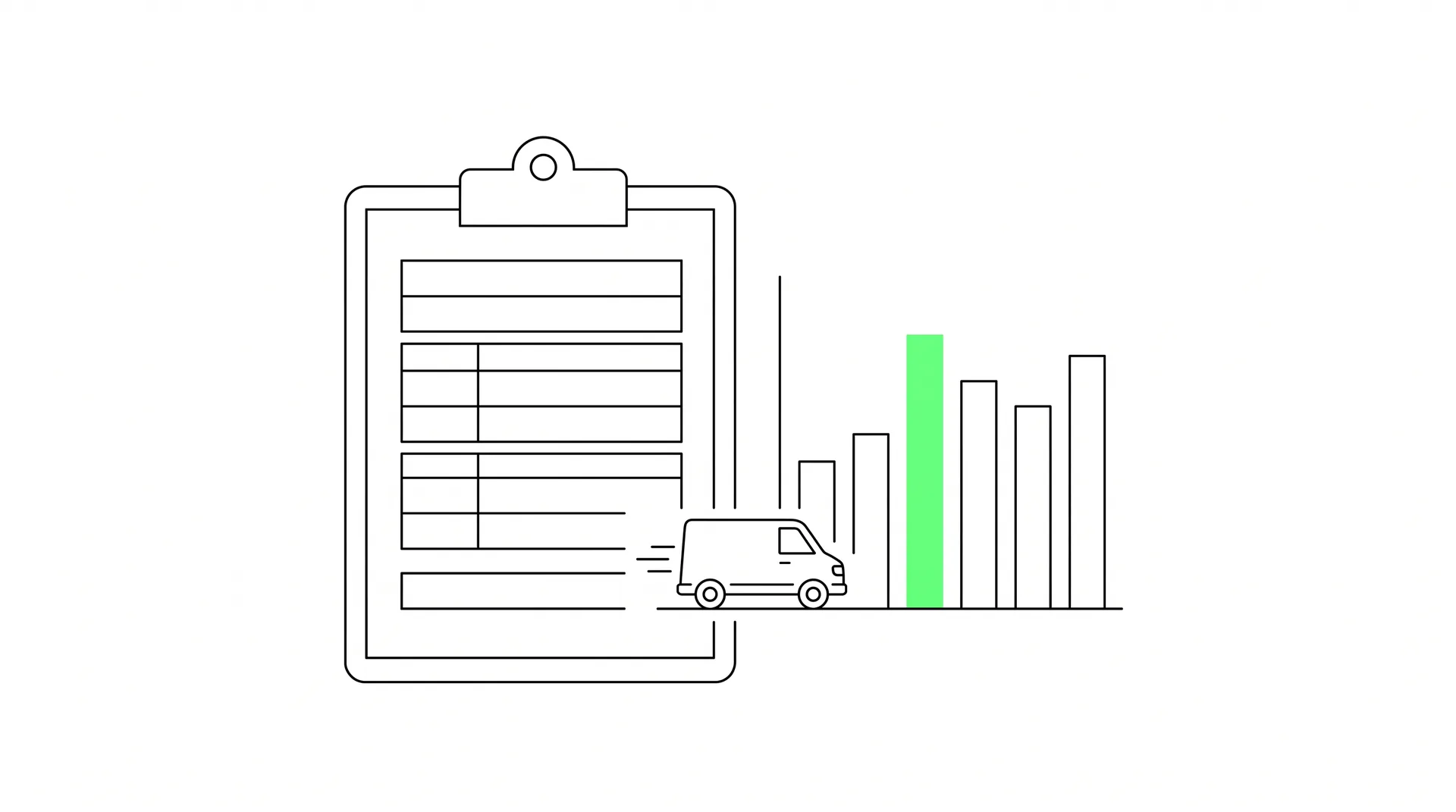
Demand response, not a sidecar app
FTA guidance states that in most cases microtransit is reported to the NTD as Demand Response. The software should therefore produce operational counts that a reporter can reconcile, not a closed marketplace dashboard.
Use the United States landing page when the procurement language is microtransit-specific.
Request a demoHow a tenant goes live
Scope
We walk through service type, fleet, booking channels and the reports you already have to file.
Configure
Branding, stops, hours, vehicle classes and assignment rules land in one tenant.
Train
Dispatchers, drivers and coordinators practise on the live board before opening hours.
Go live
The first operating weeks are coached. Exceptions, not the happy path, are the real product.
Modules you can combine. One tenant.
Start with booking, dispatch and the driver app. Add passenger apps, pooling rules, feeds and exports when the service needs them.
Explore the modulesA configured walkthrough, not a marketing video only. We look at your service type and fleet.
Questions teams ask
No. Microtransit is usually a general-public on-demand service. ADA complementary paratransit is an eligibility-based obligation tied to fixed-route service. Both can use demand-response vehicles.
Yes. Call-centre bookings create the same trip object as app or web bookings.
No. Funding eligibility depends on the agency, the mode and the grant rules. The software supports operations and reporting.
Plan a working demo
Share fleet size, service type and the outcome you need. We reply with a working demo path, not a generic brochure.