On-demand transit platform
The shared product layer behind microtransit, demand responsive transport, shuttles and accessible services. One tenant, several service products if you need them.
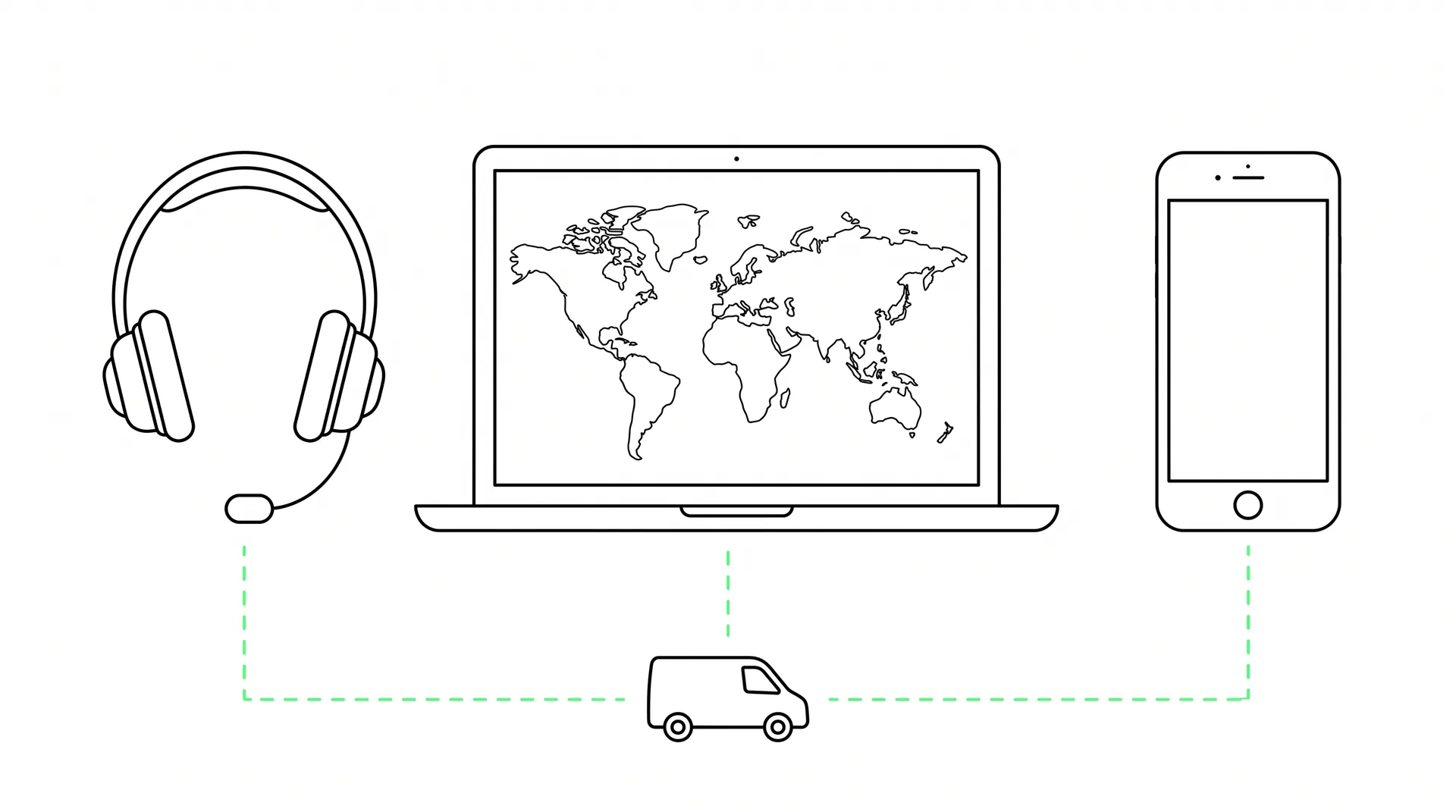



How the platform is used
On-demand transit is the practical term many agencies use when they do not want a vendor-specific product name. It covers app-booked vans, telephone dial-a-ride, deviation from a corridor and first-mile links to rail.
The platform is the common stack: identity, stops, vehicles, tariffs, assignment, driver tools, passenger notices and exports. Service products such as microtransit or hotel shuttles are configurations of that stack.
Operators keep their own carrier contracts. maas.maker does not take a ride marketplace cut from the passenger.
On-demand transit platform
The shared product layer behind microtransit, demand responsive transport, shuttles and accessible services. One tenant, several service products if you need them.

Multiple service products
A tenant can run a public zone, an eligibility-based product and a closed shuttle with separate rules and branding.

Feeds and APIs
GTFS for published information and REST for partners sit beside the operational system, not instead of it.

Call-centre continuity
Telephone booking remains a first-class channel for older riders and for services that never go fully app-only.

White-label presence
Passenger-facing surfaces carry the operator brand. The vendor name stays in the contract, not on the stop pole.
How the platform is used
On-demand transit is the practical term many agencies use when they do not want a vendor-specific product name. It covers app-booked vans, telephone dial-a-ride, deviation from a corridor and first-mile links to rail.
The platform is the common stack: identity, stops, vehicles, tariffs, assignment, driver tools, passenger notices and exports. Service products such as microtransit or hotel shuttles are configurations of that stack.
Request a demoHow a tenant goes live
Scope
We walk through service type, fleet, booking channels and the reports you already have to file.
Configure
Branding, stops, hours, vehicle classes and assignment rules land in one tenant.
Train
Dispatchers, drivers and coordinators practise on the live board before opening hours.
Go live
The first operating weeks are coached. Exceptions, not the happy path, are the real product.
Modules you can combine. One tenant.
Start with booking, dispatch and the driver app. Add passenger apps, pooling rules, feeds and exports when the service needs them.
Explore the modulesA configured walkthrough, not a marketing video only. We look at your service type and fleet.
Questions teams ask
White-label software for booking, dispatching and reporting demand-responsive transport. It is not a consumer ride-hail brand.
No. Customers run the service with their own fleet or contracted carriers.
USD is the list-price base. You can switch the calculator to Australian dollars, New Zealand dollars or euro. Final contract currency is confirmed in a proposal.
Yes. Book a conversation and we walk through a configured tenant for your service type.
Plan a working demo
Share fleet size, service type and the outcome you need. We reply with a working demo path, not a generic brochure.