Total Mobility after 1 July 2026
The Ministry of Transport states that from 1 July 2026 the Total Mobility subsidy rate changed to 65 percent. Fare caps in most regions are lower. Confirm regional caps with the council.



How the platform is used
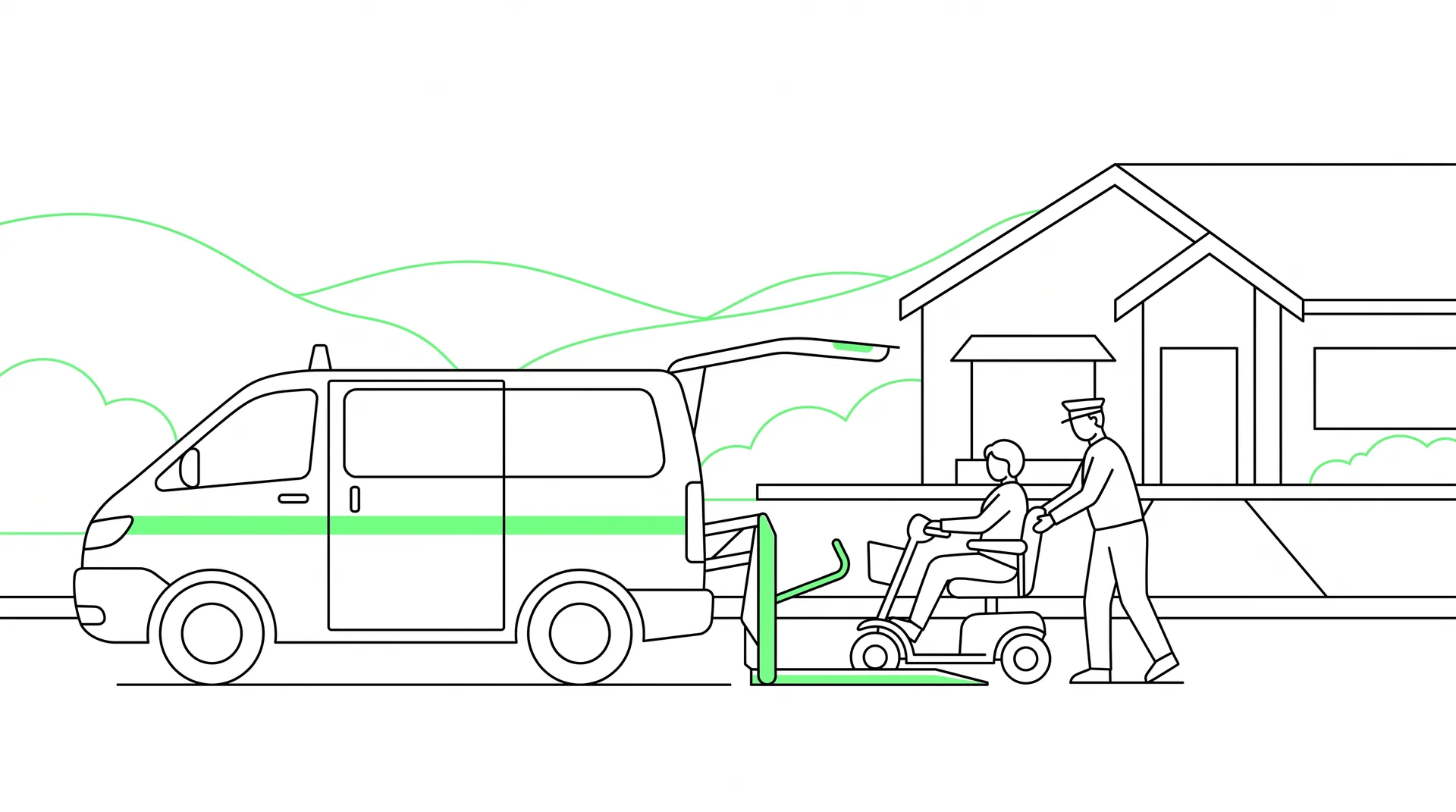
Total Mobility complements public transport for people who cannot use buses, trains or ferries, or cannot get to them. Waka Kotahi administers operations with regional councils. Users pay the remaining 35 percent of the fare under the new setting.
Software used by a contracted operator should record the trip, the vehicle type and timestamps. It should not hard-code a 65 percent calculation as if it were a national invoice engine. Caps vary by region and can change.
Checked against the Ministry of Transport scheme page on 27 September 2026. This is not government advice.
Total Mobility after 1 July 2026
The Ministry of Transport states that from 1 July 2026 the Total Mobility subsidy rate changed to 65 percent. Fare caps in most regions are lower. Confirm regional caps with the council.
One trip object
Web, app and telephone bookings share identifiers so a change on one channel updates the others.

Live assignment
Compatible trips share a vehicle inside published windows. Dispatchers keep a lock for exceptions.

Driver tools
Drivers see the next stop, rider notes and boarding status without a consumer super-app.

Operations reporting
Completed, cancelled and missed trips export for finance and compliance teams.
How the platform is used
Total Mobility complements public transport for people who cannot use buses, trains or ferries, or cannot get to them. Waka Kotahi administers operations with regional councils. Users pay the remaining 35 percent of the fare under the new setting.
Software used by a contracted operator should record the trip, the vehicle type and timestamps. It should not hard-code a 65 percent calculation as if it were a national invoice engine. Caps vary by region and can change.
Request a demoHow a tenant goes live
Scope
We walk through service type, fleet, booking channels and the reports you already have to file.
Configure
Branding, stops, hours, vehicle classes and assignment rules land in one tenant.
Train
Dispatchers, drivers and coordinators practise on the live board before opening hours.
Go live
The first operating weeks are coached. Exceptions, not the happy path, are the real product.
Modules you can combine. One tenant.
Start with booking, dispatch and the driver app. Add passenger apps, pooling rules, feeds and exports when the service needs them.
Explore the modulesA configured walkthrough, not a marketing video only. We look at your service type and fleet.
Questions teams ask
White-label software for booking, dispatching and reporting demand-responsive transport. It is not a consumer ride-hail brand.
No. Customers run the service with their own fleet or contracted carriers.
USD is the list-price base. You can switch the calculator to Australian dollars, New Zealand dollars or euro. Final contract currency is confirmed in a proposal.
Yes. Book a conversation and we walk through a configured tenant for your service type.
Plan a working demo
Share fleet size, service type and the outcome you need. We reply with a working demo path, not a generic brochure.